Irgendwo steht im Kreativbrief: „Die Stimme soll wie Morgan Freeman klingen.“
Das hat nur einen Haken.
Morgan Freeman ist nicht verfügbar, und ein Star-Honorar würde Ihr Budget sprengen.
Genau hier kommt ein Celebrity-Voice-Imitator ins Spiel. Für den Preis einer normalen Aufnahme bringt ein Profi das Timbre, das Kratzen oder das Grollen, das Ihr Script verlangt.
Bevor Sie jemanden engagieren, sollten Sie die rechtlichen Grenzen kennen.
Ford und Frito-Lay haben diese überschritten – und was es sie gekostet hat, zeigt genau, was Sie mit diesem Leitfaden vermeiden können.
Was macht ein Promi-Stimmenimitator eigentlich?
Ein Promi-Stimmenimitator ist ein Sprecher, der Tonhöhe, Tempo, Akzent und Eigenheiten einer bekannten Stimme gemeistert hat und Ihr Skript auf Abruf in diesem Stil sprechen kann.
Die Guten machen keine Partygags.
Sie liefern Aufnahmen in Sendequalität, die dem Original nahekommen, lassen sich anleiten und passen die Imitation an Ihr Skript an – statt berühmte Filmsätze zu rezitieren.
Das Angebot an Stimmen könnte Sie überraschen.
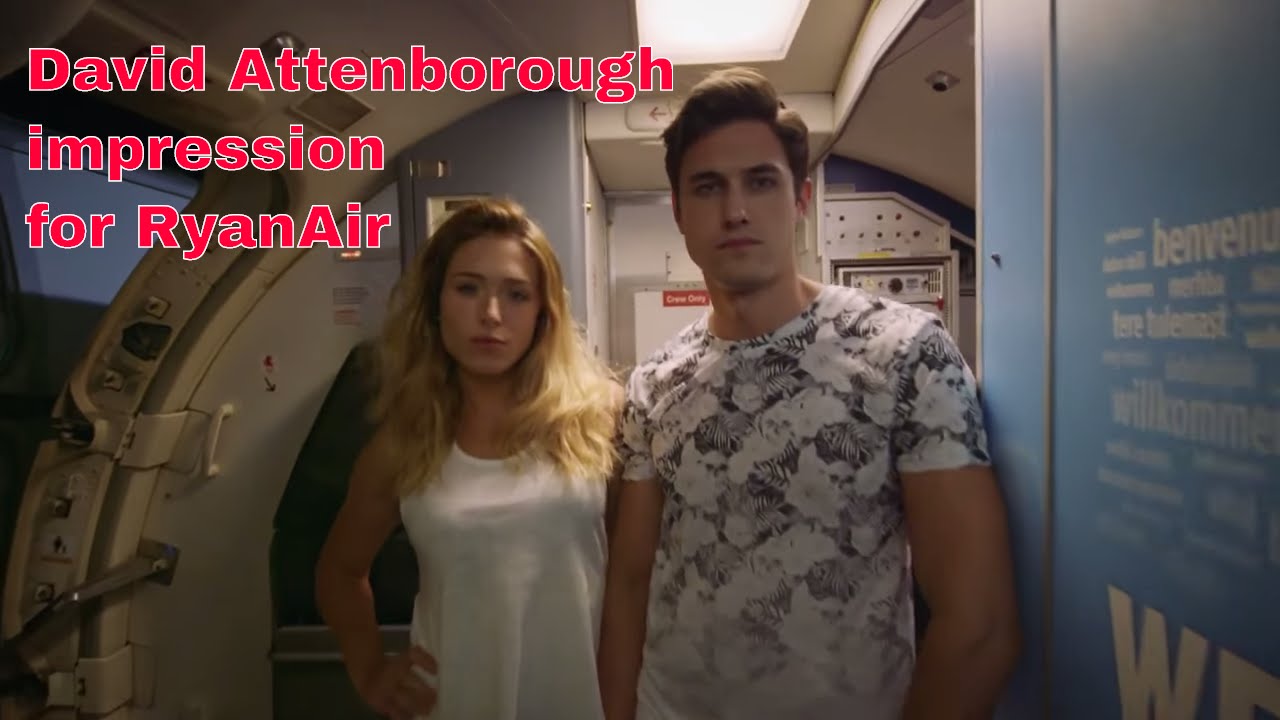
In unserem Stimmen-Imitations-Katalog allein finden Sie über 100 Stimmen, darunterMorgan Freeman,Tony Soprano,David Attenborough,Jennifer Coolidge undSam Elliott sowie Figuren wie Batman, Yoda und Scooby Doo.
Typische Anwendungsfälle sind:
- Comedy-Sketche, Podcasts und YouTube-Inhalte
- Videospiele und Animationen, die einen "Typen" brauchen (den weisen Erzähler, den Mafia-Boss, den Naturdokumentarfilmer)
- Firmenevents, Roasts und interne Videos
- Radio Imaging und Parodie-Werbung
- IVR-Menüs und persönliche Mailboxansagen
Ist es legal, einen Stimmenimitator zu engagieren?
Ja. Das Engagement und das Ausüben von Stimmenimitationen sind legal und gehören seit Jahrzehnten zur Unterhaltungsbranche.
Gesetzlich eingeschränkt ist, eine berühmte Stimme – oder deren Imitation – so einzusetzen, dass der Eindruck einer Produktunterstützung durch die Prominente entsteht.
Dieser Schutz heißt Right of Publicity und verhindert die unbefugte kommerzielle Nutzung von Namen, Abbild und weiteren erkennbaren Merkmalen einer Person.
In den USA ist das je nach Bundesstaat unterschiedlich, doch Gerichte bestätigen, dass eine markante Stimme dazugehört.
Zwei Fälle setzen den Standard, und beide sollte man kennen, bevor man eine Werbeagentur beauftragt.
In Midler v. Ford Motor Co. bat die Ford-Agentur Bette Midler, in einem Mercury-Sable-Werbespot zu singen.
Sie lehnte ab.
Daraufhin engagierte die Agentur eine ihrer ehemaligen Backgroundsängerinnen und instruierte sie, möglichst wie Midler zu klingen. Das Berufungsgericht (Ninth Circuit) entschied 1988, dass die markante Stimme einer berühmten Sängerin Teil ihrer Identität ist und eine Nachahmung in der Werbung ohne Einverständnis unzulässig ist.
Tom Waits ging noch weiter.
Als ein Doritos-Radiowerbespot einen Sänger einsetzte, der seine unverwechselbare raue Stimme bei „Step Right Up“ imitierte, verklagte er Frito-Lay und erhielt 1992 2,6 Millionen US-Dollar. Die Summe übertraf die Einnahmen aus all seinen bisherigen Alben.
Beachten Sie, was beide Fälle gemeinsam haben: nationale Werbekampagnen, die ohne Erlaubnis mit der stimmlichen Identität einer echten Person warben.
In keinem Fall wurde die Imitation an sich verboten.
Hier die praktischen Regeln, die unsere Kunden befolgen:
- Niemals Zustimmung suggerieren.Wenn ein normaler Hörer glauben könnte, dass der echte Prominente Ihr Produkt unterstützt, stoppen Sie.
- Parodie und Comedy haben mehr Spielraumals rein kommerzielle Nutzung, da das Publikum den Witz versteht.
- Ein Hinweis hilft, rettet aber keine irreführende Werbung.„Prominentenstimme imitiert“ funktioniert nur, wenn die Nutzung selbst vertretbar ist.
- Rundfunkwerbung braucht juristische Prüfung.Bei einem nationalen Spot mit Imitator ist eine Stunde eines Medienanwalts eine günstige Versicherung.
Noch etwas: Dies ist keine Rechtsberatung. Es ist eine Orientierung, wo die Stolpersteine liegen, basierend auf realen Fällen.
Was kostet ein Promi-Stimmenimitator?
Ein Imitator kostet ähnlich viel wie ein professioneller Sprecher, denn das sind sie.
Die Imitation ist ein Talent, aber der Preis richtet sich nach der Nutzung: Wo läuft das Audio, wie lange und vor wie vielen Menschen?
Eine kurze Aufnahme für internes Video, Event oder Online-Sketch liegt meist im niedrigen dreistelligen Dollarbereich.
Kommen Bezahlmedien, Rundfunkplatzierungen oder lange Nutzungszeiten hinzu, steigt das Honorar wie bei jedem kommerziellen Voice-over.
Für konkrete Zahlen nach Projekttyp siehe unseren Leitfaden zu Branchenstandards für Voice-Over-Preise.
Vergleichen Sie das mit der Alternative.
Promi-Werbeverträge liegen schnell im sechs- bis siebenstelligen Bereich. Wenn Ihr Projekt nur einen vertrauten Klang statt eines berühmten Namens braucht, liefert ein Imitator das für einen Bruchteil eines Prozents dieses Budgets.
Sollten Sie stattdessen KI-Stimmenklone nutzen?
Nein. Nicht für öffentliche Inhalte.
Das Klonen einer Prominentenstimme per KI ist keine Grauzone mehr.
Das ELVIS Act von Tennessee, unterzeichnet im März 2024, macht die unbefugte KI-Imitation einer Stimme zu einer strafbaren Handlung als Ordnungswidrigkeit der Klasse A.
Andere US-Bundesstaaten und Plattformen gehen denselben Weg, und das Entfernen von KI-Stimmeninhalten ist mittlerweile Routine.
Ein menschlicher Imitator ist eine ganz andere Sache.
Sie engagieren einen echten Künstler, der zustimmt, die Nutzung freigibt und eine eigene Aufnahme liefert. Ihre Rechte am Audio sind eindeutig, und kein Softwareunternehmen hat dafür fremde Stimmen verwendet.
Auch handwerklich gibt es einen Unterschied.
Ein Imitator kann während der Session Anweisungen umsetzen, die Imitation anpassen und spontan reagieren, wenn das Skript es braucht.
Eine geklonte Stimme bietet Ihnen den Klang, aber kein Urteil.
Wie engagiert man einen prominenten Stimmimitator?
Am schnellsten geht es über einen Marktplatz mit einer speziellen Imitatoren-Liste, auf der Sie Demos anhören können, bevor Sie etwas bezahlen.
Bei Voice Crafters läuft es in drei Schritten ab:
- Kostenlose Angebote erhalten.Projekt einstellen oder gezielt Imitatoren zu einem Probecasting einladen.
- Favoriten buchen.Projekt finanzieren und Details direkt mit dem Sprecher über das Nachrichtenboard besprechen.
- Zahlung freigeben.Aufnahme genehmigen und Zahlung auslösen, wenn Sie zufrieden sind.
Jeder Künstler auf der Plattform wird auf kommerzielle Erfahrung geprüft, daher entspricht der Attenborough in der Demo dem Attenborough im Studio.
Schauen Sie sich unsere Stimmen-Imitationen nach Name an oderstöbern Sie durch alle professionellen Sprecher, wenn Sie lieber eine unverwechselbare Originalstimme besetzen möchten.
Sie brauchen ein perfektes Stimm-Double für Ihr nächstes Projekt? Entdecken Sie unser komplettes Angebot an Stimmen-Imitationen oderstellen Sie Ihr Projekt ein und erhalten Sie kostenlose Vorschläge von geprüften Imitatoren.
Nicht sicher, wo anfangen? Kein Problem! Kontakt aufnehmen und gemeinsam besprechen wir Ihre Wünsche.






0 Kommentare