Curious what it takes to succeed as a British voice actor? Discover how top UK voiceover artists balance home studios, vocal care, and diverse projects – and how professional voice over services can elevate your brand with authentic British talent.
Posted Jul 5, 2024·Updated Nov 14, 2026·9 min read
Share
Key Takeaways
Voice actors handle multiple responsibilities throughout the day, including auditions, pitching for jobs, editing audio, self-promotion, invoicing, and client communications.
Protecting the voice is essential for voice actors and can be done by staying hydrated, warming up, taking breaks and resting the voice after recording sessions.
Scheduling demanding sessions after 11 am can give a voiceover artist time to warm up their voice, while starting with less strenuous work helps build vocal stamina.
Deep breathing, mindfulness exercises and vocal warm-ups help voice actors stay relaxed
A well-equipped, acoustically treated and soundproofed home studio allows voice actors to work more flexibly.
Many professional voice talent record for several clients in one day, which means they have to be flexible about their availability and keep on top of their schedule.
The daily life of a British voice actor is hugely varied and can include anything from pitching jobs and going to auditions to editing recordings and sending invoices.
Gone are the days of simply showing up to a local studio to record your audition or paid project, expecting the sound engineer and your agent to handle everything else.
As a voice artist nowadays, you have to wear several hats.
It’s not just their voice that will get them the gigs. Computer skills, self-promotion, and knowing their way around a multi-track audio recorder are all needed to keep the work coming in.
The main reason for this is the explosion of content across TV, film, video games, and online media, which has greatly evolved the voice artist’s job description.
A busy British voice actor can now easily find themselves voicing an animation series for the BBC or Channel 4 one day and recording YouTube tutorials or a corporate training video the next.
Plus, technological advancements have allowed most dedicated voice actors to deck out their spare room as a home studio.
This can keep costs low as voice artists don’t have to travel as much and can make the most of national – and global – opportunities by working remotely instead.
Crucially, it can also give artists more control over their recording output and its quality.
But just how easy is it to juggle all of this?
And are there certain things the best voice talent does to keep their days on track?
Let’s find out by taking a peek into a day in the life of a British voice actor.
What is the most important daily duty of a voice actor?
Probably the most important daily duty of any voice artist is to protect their voice,
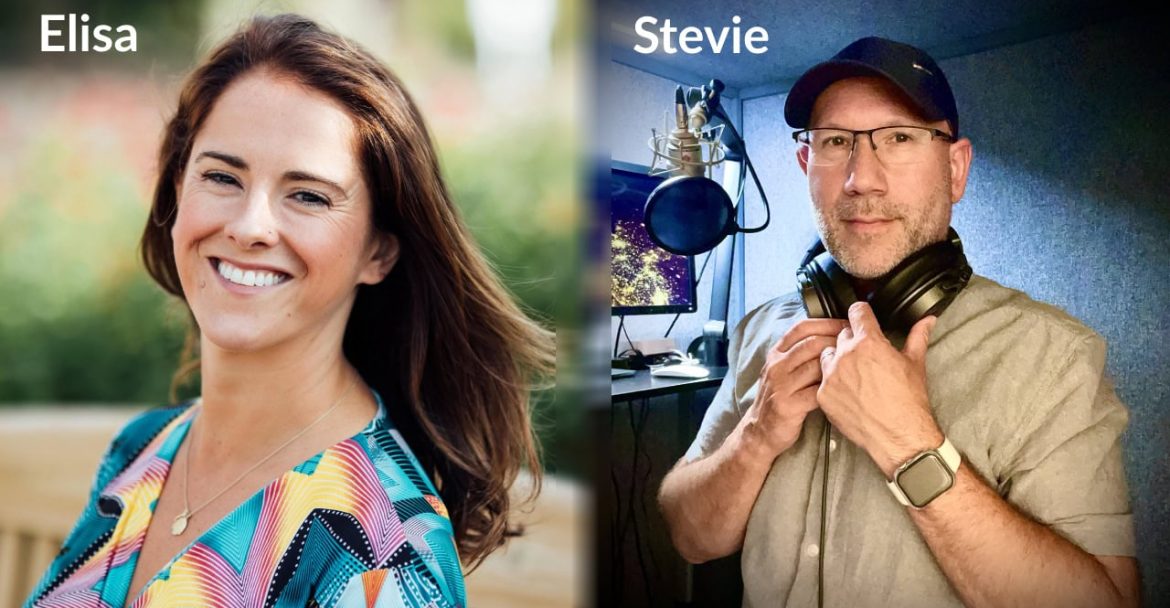
Stevie C., a much-in-demand British voice actor, manages this by ensuring he gets enough fluids from first thing in the morning till the last thing at night. He notes:
Stevie C – British voice actor at Voice Crafters
Staying hydrated is part of my daily regime! First and foremost, I drink lots and lots of water.
I tend to avoid any dairy first thing and drink black coffee (perhaps too much) throughout the day.
Should I feel a little strained by the end of the day a good old honey and lemon will do the trick.
If I’m feeling naughty, a bit of rum may pop in there too! ;)”
When is the best time for voice over recording sessions?
Whether you’re working from your home studio or going into a commercial studio, late mornings and afternoons are usually the best times for recording sessions.
Stevie records most days. But as he has a wide roll-call of work ranging from television promos to event branding (see his voice reel below), he says:
“When possible, I tend to keep the more intense recording sessions after 11 am.
Most of my work is short-form commercial and corporate work. So although I may spend most of the day in the booth, it will be for several different clients, and there will be plenty of breaks in between.”
Hear voices against your actual script
Free custom auditions from professional voice talent — no commitment.
The British voice artist also makes use of other exercises to keep his voice relaxed and his energy high:
“I’ll do the standard vocal warm-up, but before any of this–and most of my sessions–I practice deep breathing and mindfulness exercises, keeping me relaxed and alert.
As mentioned before I’m mindful to stay hydrated and keep vocal zones on standby should things get intense for longer periods.”
Elisa C. is another top British voice actor with experience across a range of industries.
As the station imaging voice for a UK radio network, Elisa’s also a popular pick to voice TV ads (like the one below) along with corporate promos, e-learning videos, and a few character VOs thrown in for good measure.
Elisa C – British voice actor at Voice Crafters
With several recordings on the roster each week, this regularly sought-after British voice actor safeguards her vocals by easing herself into her work:
It’s very rare that I have a day with no scripts to get recorded, so I’m in the booth every day.
I start with the records that require less vocal strain and build up to the high-energy characters or promo scripts that require greater projection. That way, I warm up as I go.”
Elisa also ditches the dairy before heading into the studio to keep her words crystal clear.
Do most voice actors work from home studios?
Many voice actors work from professional home studios, which they have designed to record broadcast-quality voice overs.
This is certainly true of both Elisa and Stevie.
And while former BBC staffer Stevie claims: “Nothing quite beats being in a live session with clients and producers to get the blood racing and the voice going!”
As a dad, he’s also grateful for the chance to record at home. Having a home studio is, he says:
“One of the biggest assets for work and home life flexibility.”
Plus, a home recording studio doesn’t have to be fancy to get the job done well. As Elisa explains:
“My current set-up is a purpose-built space underneath the staircase on the ground floor of my home. I had it lined, acoustically treated, and sound-proofed. Now it’s where you’ll find me and my Neumann TLM 103 each day!”
But even if you’re booked into an off-site studio, you can still cram a lot of work into one day.
In an interview with Backstage magazine, Award-winning voiceover casting agent Terry Berland notes:
“The good thing about VO is that you can make several recordings in one day. TV bookings usually take two hours and radio one and a half hours per spot.”
Of course, that does mean the artist needs to be flexible about their availability. Berland explains:
“Many times when I’m giving out avails, I’m informed someone else has the talent on avail for the same day. That does not mean [they’ll] lose the job. We then start honing the time down to morning or afternoon with the intentional outcome for the talent to have both bookings on the same day.”
What work tasks do professional voice actors do at the end of the day?
Most professional voice actors use the end of the day to handle paperwork such as checking bookings, sending invoices, and replying to emails. Resting the voice at this time is also very important.
Elisa C. uses the end of her day for a little desk jockeying, clearing her inbox and getting her diary in order. She says:
“My inbox never ends up empty, but I make sure that everything in there is either responded to, filed away into its appropriate folder, or on my to-do list for the next day.
I also make sure all smaller jobs are recorded the day they come in so that producers receive their audio back as soon as possible.”
Time for the British voice actor to put their voice to Bed!
Once the to-dos have been checked and the next day’s duties earmarked, it’s time to relax and rest her voice.
A soothing honey drink is a good idea at the end of a long day with a lot of recordings.
And, sure, as Stevie suggests, there’s no harm in adding a little rum to give it a punch too.
Er… Purely medicinal, of course!
If you’re looking for a British voice actor for your visual audio project,Voice Crafters has a strong selection of top, vetted talent.
Simply post your project on our online platform. Make sure you request custom auditions based on your script (it’s free!) to really hone in on the voice that’s right for your brand and message.
Or if you need help casting the right talent for you, drop us a line and we’ll be happy to help!
Frequently Asked Questions
What does a British voice actor do in a typical day?
A British voice actor may audition for roles, record commercials, animation, corporate videos or e-learning content, edit audio, communicate with clients and manage bookings and invoices.
How do voice actors protect their voices?
Voice actors protect their voices by staying hydrated, warming up before recording, taking regular breaks, using breathing exercises and resting their voices at the end of the day and after particularly demanding recording sessions.
What equipment does a voice actor need for a home studio?
A home studio typically needs a quality microphone, recording software, a computer and a quiet recording space with appropriate acoustic treatment and soundproofing. The exact equipment depends on the project’s requirements.
How many hours a day do voice actors work?
It varies though most professional voice actors will generally record for between 2-5 hours a day. The other hours in the day will be taken up with editing, communicating with clients and general admin.




0 Comments