


Using a deep voice can add gravitas to the character.
If it’s a baddie, then it’s not about volume; it’s about intent, and by using a deep voice you can sound more menacing. On the other hand, a deep giant voice can also be good for comedy effect.

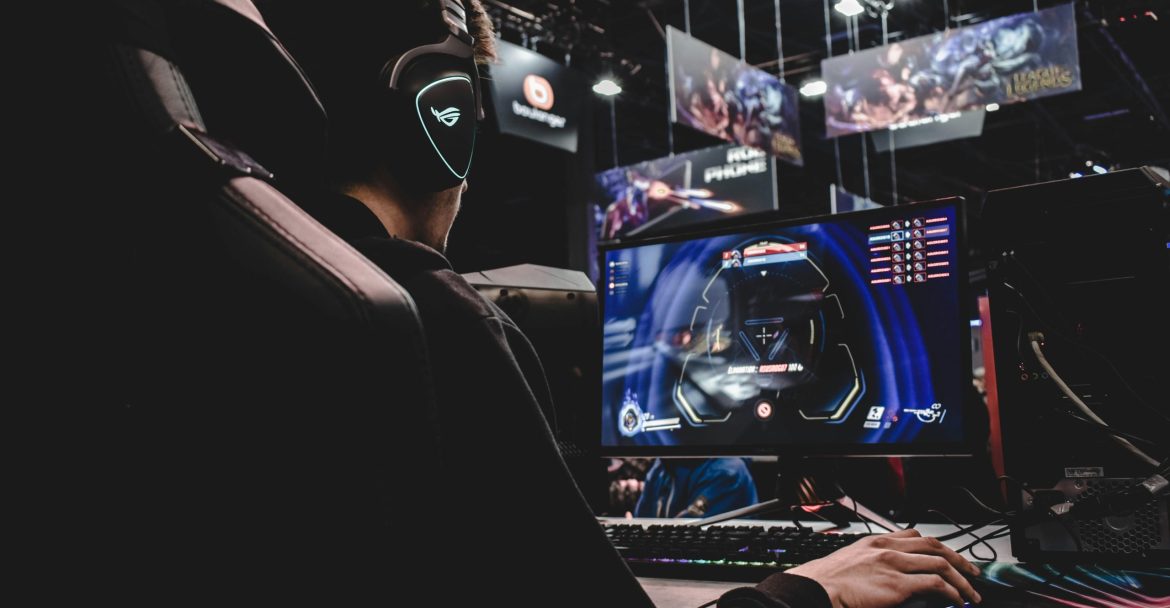

Deep voice actors can unlock character depth in video games by combining a resonant voice with a strong emotional range and engaging storytelling.
The importance of this in a video game’s success cannot be overstated.
Fact is, action, adventure, and elaborate puzzle-solving aren’t the only reasons people love video games.
Some come for the visuals but stay for the voices. Because the truth is, in an hours-long game, great video game voiceovers can add energy, emotion, and a real sense of connection with a character.
In recent years, video games with deep voice actors have become particularly popular. Whether villain or leader, the sonorous sound of these artists picks up on the age-old associations we make between deep voices and power and persuasion.
Still, the best deep voice actors for video games know that it’s not just about growling and grunting their way through a script.
The global gaming market is projected to grow from $351.6 billion in 2026 to $498.0 billion by 2033. In this crowded marketplace, only the best games with the most memorably voiced characters will stand out.
As a games developer, using a rich, resonant voice in your video game can help you do just that.
But you’ll need to be sure your deep voice actors have taken on board these four considerations, as only then will they be able to unlock their character’s depths and keep players coming back for more.
The success of a video game is wholly reliant on the engagement of its players, particularly if the game goes on for hours, which it usually does.
For example, the third installment of Baldur’s Gate 3 lasts a bone-creaking 65 hours, while Red Dead Redemption clocks in at a little over 50 hours.
That’s some serious game time.
And along with great graphics and high production values, a gripping video game requires professional voice artists who can keep players absorbed in the storyline.
This is particularly important with deep-voiced actors who are most often cast in a leading role as commander of an army or a space fleet, or simply as the primary (anti)hero.
There are reasons for this. Studies show that people with deeper voices are typically viewed as more confident and credible.
The casting of deep-voiced actors in these roles makes sense, then. After all, it might be hard to take a commander seriously if they’re shouting “Where’s my Dragonator?” in a shrill or timid tone.

In the competitive world of video games, you want your characters to stand out for all the right reasons.
The deep, memorable voice of an inspiring leader is often in control of the game and your role in it. You want to feel you’re in strong, safe hands as you navigate the challenges of the game.
This is why the deep, aggressive tones of a character such as Karl Crane (played by veteran voice actor Roger Craig Smith) in the million-dollar-selling survival horror game, Dying Light, can help you feel you have a fighting chance.
Crane isn’t one-note. Sure, he’s belligerent at times, even a bully, but he also shows compassion and grief, bringing depth and dimension to his deep, angry tones.
And it’s this ability of a deep-voice actor to use their voice as a way of revealing different parts of the story that can help make a character a fan favorite and rocket the game into best-selling video game lists.
British voice-over actor, Paul D., who’s voiced several BAFTA-nominated video games, explains it like this:

British voice actor Paul D.
Using a deep voice can add gravitas to the character.
If it’s a baddie, then it’s not about volume; it’s about intent, and by using a deep voice you can sound more menacing. On the other hand, a deep giant voice can also be good for comedy effect.
Paul D. – British voice actor at Voice Crafters
Paul displays how character and story can intertwine in his fascinating voice dub for Herald of Nurgle in Total Warhammer III.

A deep voice that still manages to sound different yet believable can stand out among
stereotypical performances or those that sound like an actor robotically reading their lines into a mic.
Whether playing authority figures, superheroes, or villains, deep voice actors have to bring something special and recognizable to the table. Villains and victors whose voices are deep but monotonous just won’t make the grade.
The more recognizable a video game voice actor can make their voice, the more roles they’ll likely land and the bigger their fan base will be.
On forums like Reddit and Quora, you’ll find thousands of discussions around favorite voice actors and the games they appear in.
So what makes these voice actors stand out from the crowd?
Simply, they take the time to understand their characters – making them not just distinct but believable too.
The late great Kevin Conroy, whose deep, gravelly voice in the Batman Arkham videos became the sound we’ve forever associated with the Caped Crusader, exemplified this.
He brought a quietness to the disturbed superhero that was as chilling as it was heartbreaking–and as a result, he made Batman utterly original and utterly unforgettable.
Hear voices against your actual script
Free custom auditions from professional voice talent — no commitment.

Authenticity is vital for today’s video game characters because modern games have an intelligence and imagination that has developed in leaps and bounds since the time two stick men slowly lobbed tennis balls at each other across your screen.
Many of today’s best games involve exquisite world-building and story-driven narratives. And complex characters with voices that zing with authenticity are part of that package.
A deep voice can command attention, making a character more impactful.
But it needs to ring true in whatever situations are playing out as part of the game.
The process for a voice artist in video games might sound simple–but simple is rarely easy.
As Dan G. explains:

Dan G – Australian Voice Actor
To present a believable character, it’s most important to read the brief and find out what the character’s motivation is and what they’re supposed to sound like.
Then, you have to try and replicate that description into a credible character.
That’s the hard part. But when you actually get the character as the writer intended, it’s also the great part.
Dan G. – Australian English VO at Voice Crafters
By embracing different pitches, paces, and tones, without ever losing the deep resonance of their voices, experienced voice actors can connect more easily with their audiences.
That’s because they understand that it is in the quiet word or the sudden tumble of words that the struggle and the secrets their gruff-sounding character may be hiding are revealed.
It’s this delivery that can pull a player in, forging a profound connection with the story and the game’s world, making it forever memorable because it feels so real.
A real person feels all the feels, which is why players want the characters in their video games to do likewise. They crave connection. They want to feel fully sucked in when they’re gaming.
Modern games are deeply immersive, and players demand the emotional intelligence that will keep them engaged.
The best deep voices in video story games maintain their sense of authority while also revealing a range of believable emotions.
Fear, frustration, regret – these are human feelings that players can relate to, and they add real depth to the characters conveying them.
Think of survivor Joel in The Last of Us, whose deep, tough-guy drawl softens as he becomes more protective of his young charge, Ellie.
Similarly, in the Mass Effect Trilogy, bad-ass Commander Shepard (voiced by Jennifer Hale when female), retains her power with a cool, even tone that can intimidate or inspire on the turn of an inflection.
A deep, memorable voice can set your video game apart from countless others in the gaming market.
But it takes more than a continuous rough bark to make a character stick in the minds of players.
The best deep voice artists know how to bring originality, authenticity, and emotional depth to their characters in a way that makes them utterly believable and impactful, and allows for gripping storytelling.
So, if you want to find the best deep voice actors for your video game project, look no further than Voice Crafter’s wide range of vetted talent.
Simply post your project on our online platform. Make sure you request custom auditions based on your script (it’s free!) to really hone in on the voice that’s right for your brand and message.
Or if you need help casting the right talent for you, drop us a line, and we’ll be happy to help!
In video games, deep voices can convey qualities such as authority, confidence, strength, and credibility, which make them particularly effective for characters such as villains, victors, leaders, and military commanders.
Deep voice actors can create emotional depth by varying their tone, pace, pitch, volume, and delivery while maintaining the character’s underlying vocal qualities. In doing so, they are better placed to communicate emotions such as fear, frustration, menace, and regret.
In Batman: Arkham, Kevin Conroy’s deep, gravelly voice gave Batman a quiet, haunting quality that was both chilling and heartbreaking, making his portrayal unforgettable. Because it sounded so authentic to the character, that voice became synonymous with Batman.
No. A deep voice can create a strong first impression, but memorable characters also need a sense of originality, authenticity, emotional range, and a performance that reflects their personality and motivations.
Developers should look for experienced deep-voice actors who can present a range of emotions vocally to deliver an authentic performance. Working with a vetted voice talent platform such as Voice Crafters can also help developers find suitable professional talent.
Post your project or choose voice actors to audition and send you proposals.
Hire your favorite talent, fund the project and communicate via the message board.
Approve the recording and release your payment to the talent when happy.

0 Comments