The Impact of Voice Assistants on Consumer Behavior
Curious how voice assistants are reshaping consumer habits? Discover why brands are investing in professional voice over talent to power engaging, human-like voice assistants, driving vCommerce, customer loyalty, and business growth in today’s voice-first marketplace.
Voice assistants like Siri and Alexa have become key parts of global tech companies’ branding.
50+% of all online searches use voice assistants.
Consumers use voice assistants to save time through multitasking.
Voice assistants provide easier access to technology and information for consumers with visual and motor impairments.
Professional voice actors have helped make voice assistants more personable and intuitive for users.
Voice shopping is transforming eCommerce, with global voice-commerce purchases growing rapidly in recent years.
Businesses are now using voice assistants for customer support, IT help desks, HR services, personalized recommendations, and other business functions.
*Updated September 2026
Voice assistants have had a huge impact on consumer behavior, driving shoppers towards spoken queries, instant replies, and hands-free multitasking.
Voices like Siri and Alexa are key elements of sonic branding for tech companies like Apple and Amazon.
But today, more and more companies are using voice assistants not only to build consumer trust but also to guide online shopping decisions.
In this article, we’ll examine why voice assistants are so popular today and whether they have even more of an influence on our future behavior as online consumers.
We’ll also explore why it may be a good idea to get started on utilizing voice assistants with your business, starting with hiring voice-over talent.
What are voice assistants?
Voice assistants are technological products based on natural language speech recognition.
You can interact with them to perform common tasks like scheduling appointments, playing music, or looking something up.
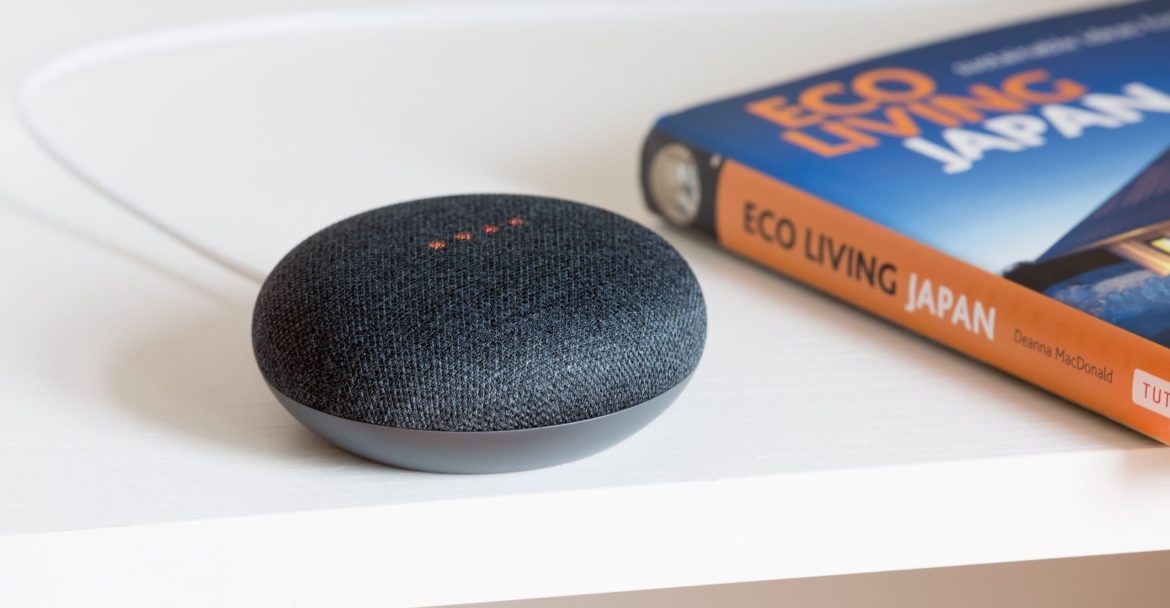
Voice assistants are located in ‘smart’ devices like smartphones, smart TVs, and smart speakers.
People use voice assistants for a multitude of reasons, including convenience, speed, the fact that to do so allows us to multitask, and even for emotional connection.
Voice assistants can make life easier
The companies that created them will say that they wanted to make your life easier – and it’s hard to argue that they haven’t.
Voice assistants remove the need to look at your screen.
For example, you might want to play a cooking playlist while preparing dinner.
You no longer need to open Spotify, turn on your speaker, pair the speaker over Bluetooth, then select the playlist.
Instead, you can simply ask your voice assistant to do it for you.
If you’ve ever seen a voice assistant ad, you’ve probably seen people speaking to their devices while focusing on a household task like ironing or washing dishes.
Multitasking is highly valued in today’s fast-paced society as it saves time and demonstrates a high level of cognitive control and coordination.
With that in mind, it’s no surprise that a machine that allows anyone to become a multitasker is so popular.
Voice assistants give you instant answers and information
These machines ‘think’ as fast as the internet connection allows.
Removing the need for physical movement means that you can get almost anything instantaneously.
Wherever you are, whenever you need it, the information is there in a matter of seconds.
Voice assistants use human voices
An underrated factor that draws us to voice assistants is their actual voice.
As emotional beings, we take pleasure in our similarities with others, such as our opinion, hairstyle, profession, or the sound of our voice.
Until a few years ago, machines mostly spoke in synthetic voices that you couldn’t mistake for a person.
Professional voice actors and voice-over coaches have helped make voice assistants more personable and intuitive for users.
The biggest voice assistants to date (Siri, Alexa, Google) have used real voice actors combined with AI for an engaging user experience.
The voices sound natural because, well, they are!
This can make consumers feel more comfortable and trusting when interacting with chatbots, and, as a consequence, can help strengthen the company’s relationship with their customers and their overall brand identity.
Are voice assistants getting more intelligent?
Voice assistants are getting more intelligent as tech companies upgrade them, using even more advanced large language models (LLMs) that can handle increasingly complex requests.
Over time, they have become indispensable in every household, taking over time-consuming tasks from our everyday lives.
Voice assistants can call your family, book reservations at your favorite restaurant, and create reminders for key events as if it’s nothing.
Voice assistants have greatly impacted consumer behavior by making everyday tasks, including shopping, faster, easier, and more convenient.
The adoption of voice assistants accelerated during the COVID-19 pandemic when smart speakers became a lifeline for many households, allowing people to manage daily tasks while remaining safely at home.
For many, they became a lifeline to continue with daily life while staying in the safety of their own home.
Unsurprisingly, marketers want to hitch a ride with voice assistants, using them as a sort of Trojan horse to get into people’s homes.
In fact, eCommerce businesses are now leveraging voice shopping to increase their revenue.
The global value of voice-assistant ecommerce purchases grew 4x in just two years from 2021 to 2023.
Let’s explore exactly what voice shopping is and how it became so prominent in the last few years.
What is voice shopping?
Voice shopping, or vCommerce, refers to online purchases made through a voice assistant.
vCommerce is growing rapidly as consumers use more voice applications like voice assistants and interactive maps.
People already use their voice for many other tasks, so it was only a matter of time before voice purchasing became widespread.
What is driving vCommerce growth?
Some of the key factors driving vCommerce growth are:
AI is only getting more complex and intuitive. Modern AI can suggest and purchase products/services relevant to the user’s lifestyle.
vCommerce is faster and more practical in many situations. Visiting the website, searching for a specific product, and going through checkout is a time-consuming process that isn’t always necessary.
Voice assistants help brands generate more revenue. With a one-step purchase sequence, there’s no room for doubt or hesitation in the user’s mind.
Still, voice assistants are changing more than just purchase behavior.
They can also be implemented in other areas of the customer experience, including support, recommendations, data management, and more.
How are voice assistants becoming part of the future?
Voice assistants are becoming an essential part of the future by expanding beyond consumer devices into business, customer service, and the workplace.
Some may find their rapid growth exciting. Others may find it concerning.
However, one thing is certain: voice assistants will continue to play an increasingly important role in how people interact with technology and make purchasing decisions.
Alongside vCommerce companies, IT and marketing businesses, and even government agencies are hiring voice actors to create voice assistants for everyday work tasks.
Voice assistants provide extra customer, IT, or HR support to clients and customers when real-life support teams are occupied.
Chatbots with human voices now create a more meaningful connection.
As these technologies continue to expand, consumer expectations for chatbots with natural, conversational voices will continue to raise the standards for all industries.
Final thoughts
Who would have thought that the human voice would be at the center of consumer-tech-brand relations?
With more and more Americans using voice-enabled technology every day, it’s clear that every business should embrace this technology to ensure sustainable growth.
Hiring voice-over talent is one of the most important steps when integrating voice assistant technology into your business or project.
Click here to find out more about what we offer…better yet, why not ask your own voice assistant about us!
Frequently Asked Questions
What is a voice assistant?
A voice assistant is a technological product based on natural language speech recognition, which enables it to understand spoken commands and perform tasks such as answering questions, playing music, setting reminders, controlling smart devices, and shopping online.
Why are voice assistants so popular?
Voice assistants are popular because they offer convenience, speed, and the ability to multitask. They help users complete everyday tasks more efficiently without needing to use a screen.
How do voice assistants influence consumer behavior?
Voice assistants influence consumer behavior through convenience and speed.
Shoppers can use them for fast searches, get immediate answers to their queries, and thus make purchasing decisions more quickly.
Why is voice commerce growing so quickly?
Voice commerce is being driven by continuous developments in AI, greater convenience, and a speedier buying experience.
Voice assistants make shopping quicker by bypassing the need to browse websites or complete time-consuming checkouts.
Why do companies use professional voice actors for voice assistants?
Professional voice actors create voices that sound natural and trustworthy.
Human voices can make consumers feel more comfortable when conversing with chatbots and, as a result, help strengthen a company’s brand identity.









0 Comments